What are Tanning Peptides Netherlands?
Due to demand from the cosmetic industry, sunless tanning solutions have been explored in scientific research. Melanotan II is one such synthetic peptide that was originally developed and studied for its ability to stimulate pigmentation.
Peptides are small chains of amino acids that interact with biological receptors in the body. Certain synthetic peptides act as analogues of the natural peptide hormone alpha-melanocyte-stimulating hormone (α-MSH), which binds to melanocortin receptors on melanocytes and stimulates the production of melanin, the pigment that gives skin its color.
In this article we will consider the pros and cons based on research on using peptides to achieve a tan without sun exposure.
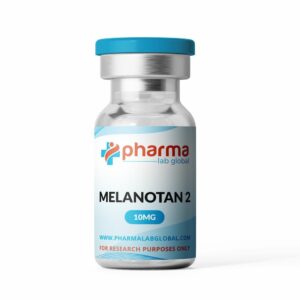
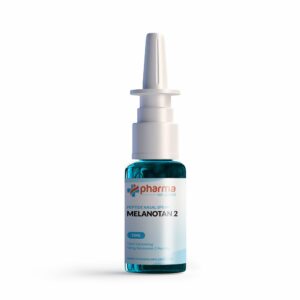
Explore Melanotan 2 from Pharma Lab Global Netherlands, a synthetic tanning peptide studied for its ability to stimulate melanin production and promote sunless skin pigmentation.
What are Peptides?
Peptides are short chains of amino acids that act as building blocks of proteins and function as signaling molecules in the body. They help regulate many biological processes by interacting with cells and receptors.
In biological systems, peptides participate in processes such as cell communication, tissue repair, enzyme regulation, and immune response. Because peptides can influence skin structure and cellular activity, researchers have examined their role in skin biology.
In recent years, cosmetic science has explored peptides for their ability to interact with skin cells and support functions related to skin appearance, including pathways involved in skin barrier maintenance and pigmentation.

How can Peptides Help with Tanning?
Certain peptides can help stimulate melanin production, the pigment responsible for skin colour. Melanin is produced by specialized cells called melanocytes, which are found in the skin.
When exposed to UV radiation from the sun or a tanning bed, melanocytes increase melanin production as part of the normal pigmentation response. Some synthetic peptides act as analogues of alpha-melanocyte-stimulating hormone (α-MSH) and activate melanocortin receptors on melanocytes, thereby stimulating melanin synthesis through receptor-mediated signalling rather than via UV exposure. Experimental studies show that peptides related to α-MSH increase melanin production in human skin cells.
Netherlands Researchers have found that a tan with peptides could offer several benefits over traditional tanning methods, including:
- Natural-looking tan: Peptides can help stimulate melanin production, leading to pigmentation via the same biological pathway that produces natural tanning in the skin.
- Reduced risk of skin damage: Peptide-induced melanin production does not require UV exposure, so it does not directly cause the DNA damage associated with sunburn and premature aging.
- Improved skin health: Some peptides interact with skin cell signalling pathways involved in repair and maintenance, although this function is separate from direct melanin production.
- Targeted UV-Free Approach: Peptide-based approaches aim to stimulate melanin production without relying on UV exposure, which removes the need for tanning beds or prolonged sun exposure.
The Risks of Using Peptides
Like any biologically active compound, peptides that affect pigmentation pathways carry potential risks. Some studies have noted that subjects may experience reactions such as nausea, vomiting, flushing, headache, dizziness, decreased appetite, or yawning following the administration of melanocortin peptides, including Melanotan II. Reports also describe changes in existing pigmented lesions, such as darkening of moles or the formation of new moles, associated with exposure to melanocortin peptides.
Melanocortin peptides can act on multiple receptor subtypes throughout the body. Research case reports have described systemic toxic effects, including renal dysfunction and rhabdomyolysis, following the use of certain analogues like Melanotan II.
Regulatory and Handling Requirements
These compounds are intended for laboratory research purposes only. Before use, Netherlands researchers must be familiar with the chemical properties and safety data of these peptides. Handling should be performed only by trained professionals in an environment equipped to handle potent, biologically active substances.
Tanning Peptides
In addition to topical peptides, there are a number of peptides which are currently under investigation including:
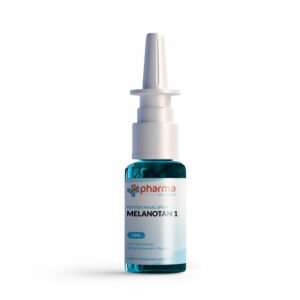
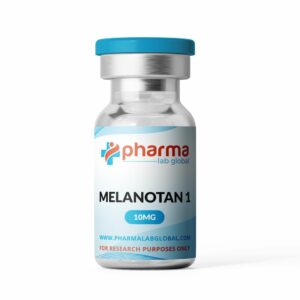
- Melanotan 1 is a synthetic analogue of alpha-melanocyte-stimulating hormone. It is used to prevent sun-related skin damage and developed as a sunless tanning agent.
- Melanotan 2 naturally tans your skin by stimulating your body’s a-MSH hormone promptly to produce skin-darkening procedure. This process is called Melanogenesis, a process where melanocytes (tanning cells in the skin) produce melanin (pigment). MT2 was created during study into skin cancer cells.
- PT-141 Bremelanotide is a significantly modified synthetic version of alpha-melanocyte-stimulating hormone. It can be used for tanning however it isn’t widely used for this purpose due to its ability to increase sexual arousal. Read more about using sexual enhancement and peptides.
Conclusion
Research shows that melanocortin-related peptides can stimulate melanin production through natural biological pathways. These compounds remain under investigation and researchers must handle them with care due to their biological activity.
All peptides are intended for laboratory and medical research purposes only.
References:
[1] King SH, Mayorov AV, Balse-Srinivasan P, Hruby VJ, Vanderah TW, Wessells H. Melanocortin receptors, melanotropic peptides and penile erection. Curr Top Med Chem. 2007;7(11):1098-1106.
[2] Effects of a superpotent melanotropic peptide in combination with solar UV radiation on tanning of the skin in human volunteers – PubMed (nih.gov)
[3] Dorr RT, Lines R, Levine N, Brooks C, Xiang L, Hruby VJ, Hadley ME. Evaluation of melanotan-II, a superpotent cyclic melanotropic peptide in a pilot phase-I clinical study. Life Sci. 1996;58(20):1777-84.
Tanning Peptides FAQ’s
Do tanning peptides protect against UV damage?
Tanning peptides, such as Melanotan I and II, are synthetic compounds that stimulate the production of melanin in the skin, which may result in a tanned appearance. This increase in melanin levels may provide some natural UV protection by absorbing and scattering UV rays, potentially reducing the risk of sunburn. However, this protection is limited and less effective than sunscreen or protective clothing.
Can tanning peptides cause changes in moles or freckles?
Yes, peptides like Melanotan can cause changes in moles and freckles. These changes may include the appearance of new moles or darkening of existing ones, which may make it harder to detect early signs of skin cancer. Such side effects are a concern, especially since these products are often unregulated and their long-term safety is not well understood.
What is more popular for tanning – Melanotan 1 or Melanotan 2?
Research has suggested that Melanotan 2 is generally successful for achieving a tan compared to Melanotan 1. This is because Melanotan 2 is has demonstrated producing a stronger and faster tanning effect than Melanotan 1. However, it is unregulated and not approved for medical use, which raises significant safety concerns. On the other hand, Melanotan 1, also known as afamelanotide, and is primarily used in medical settings for specific conditions like erythropoietic protoporphyria (EPP). It is less commonly used for cosmetic tanning due to its prescription-only status and limited availability.
Can I buy Tanning Peptides on the high street?
No, you cannot legally buy tanning peptides like Melanotan on the high street. These products are unregulated in many countries and are often for research purposes only. In places like the UK and Australia, it is illegal to sell or supply Melanotan without a prescription, as these products have not been tested for safety, quality, or effectiveness.
ALL PRODUCT INFORMATION AND ARTICLES ON THIS SITE ARE FOR EDUCATIONAL PURPOSES ONLY
DISCLAIMER: All products sold by Pharma Lab Global are for research and laboratory use only. These products are not designed for use or consumption by humans or animals. They are not to be classified as a drug, food, cosmetic, or medicinal product and must not be mislabelled or used as such. By purchasing from our Website the buyer accepts and acknowledges the risks involved with handling of these products. All articles and product information provided on this Website are for informational and educational purposes only. Handling and use of these products should be restricted to suitably qualified professionals

-
Melanotan 2 Nasal Spray
£27.92 – £50.84Price range: £27.92 through £50.84 Select options This product has multiple variants. The options may be chosen on the product page -
Melanotan 1 Nasal Spray
£26.71 – £48.42Price range: £26.71 through £48.42 Select options This product has multiple variants. The options may be chosen on the product page -
Melanotan 1
£18.71 – £27.69Price range: £18.71 through £27.69 Select options This product has multiple variants. The options may be chosen on the product page -
Melanotan 2
£19.92 – £28.90Price range: £19.92 through £28.90 Select options This product has multiple variants. The options may be chosen on the product page